Quick Summary: The Red Sea offers everything from cheap shared snorkeling boats to high-end liveaboards, but the options and sales tactics can confuse first-time visitors. This guide breaks down real prices, crowd levels, seasonal wind and water conditions, and common scams so you can choose the right tour. Use it to avoid rushed, overcrowded trips and overpriced “extras” while still getting serious value on the water.
| Tour Type | Price Range (per person / per boat) | Vibe & Crowd | Pros | Cons |
|---|---|---|---|---|
| Shared Snorkeling Day Trip | $25 - $50 USD (per person) | Lively, social, often crowded. Mix of families, couples, and solo travelers. | - Affordable way to see multiple reefs. - Lunch and equipment usually included. - Good for social travelers. | - Can feel rushed and impersonal. - Overcrowded snorkeling spots. - Food and equipment quality can vary. |
| Private Speedboat or Yacht | $150 - $500+ USD (per boat) | Exclusive and intimate. You control itinerary and guest list. | - Full flexibility and privacy. - Access to less-crowded reefs. - Ideal for small groups or special occasions. | - Significantly more expensive. - Often fewer amenities than larger boats. - Requires more planning and direct negotiation. |
| Island Trips (e.g., Giftun, Orange Bay) | $30 - $60 USD (per person) | Tourist-heavy and energetic, with a beach club atmosphere. | - Strong photo opportunities and scenery. - Combines snorkeling with beach time. - Often includes water sports. | - Islands can be extremely crowded. - Experience can feel commercial. - Hidden costs for extras are common. |
| Liveaboard / Multi-Day Cruise | $800 - $2,500+ USD (per person) | For dedicated divers and snorkelers who want to be on the water all day, every day. | - Access to remote, high-level dive sites. - All-inclusive (diving, food, accommodation). - Immersive, focused experience. | - High time and money commitment. - Not ideal for casual snorkelers or young families. - Fixed itineraries with less flexibility. |
The Red Sea hits you first with color and noise: turquoise water slapping against the hull, the thrum of diesel engines, the sting of salt on your lips, and a mix of languages floating across the deck. Under the surface, coral gardens glow with fluorescent-orange anthias and blue-spotted stingrays slide across the sand, while above, you’re eating grilled chicken, rice, salads, and flatbread as the boat rocks just enough to remind you you’re far from shore. This guide strips away the sales talk and walks you through real prices, actual crowd levels, seasonal wind speeds, and the tricks operators use so you can pick the right Red Sea boat tour without getting burned.
Why This Guide Exists
The Red Sea is sold hard as a snorkeler’s dream, with everything from $25 shared boats to multi-thousand-dollar liveaboards pushed at you the moment you land. What you don’t get in the sales pitch is how crowded most “popular spots” really are, how often you’re rushed in and out of the water, or how quickly a cheap headline price turns into an inflated, low-value day. This guide leans on local experience to explain the actual trade-offs: when a $25 shared day trip makes sense, when a $150+ private speedboat is worth it, and when a liveaboard at $800–$2,500+ per person is overkill for what you want. The goal is simple: help you pick a Hurghada or Red Sea boat tour that matches your budget, comfort level, and expectations without walking into predictable traps.
The Landscape & Context
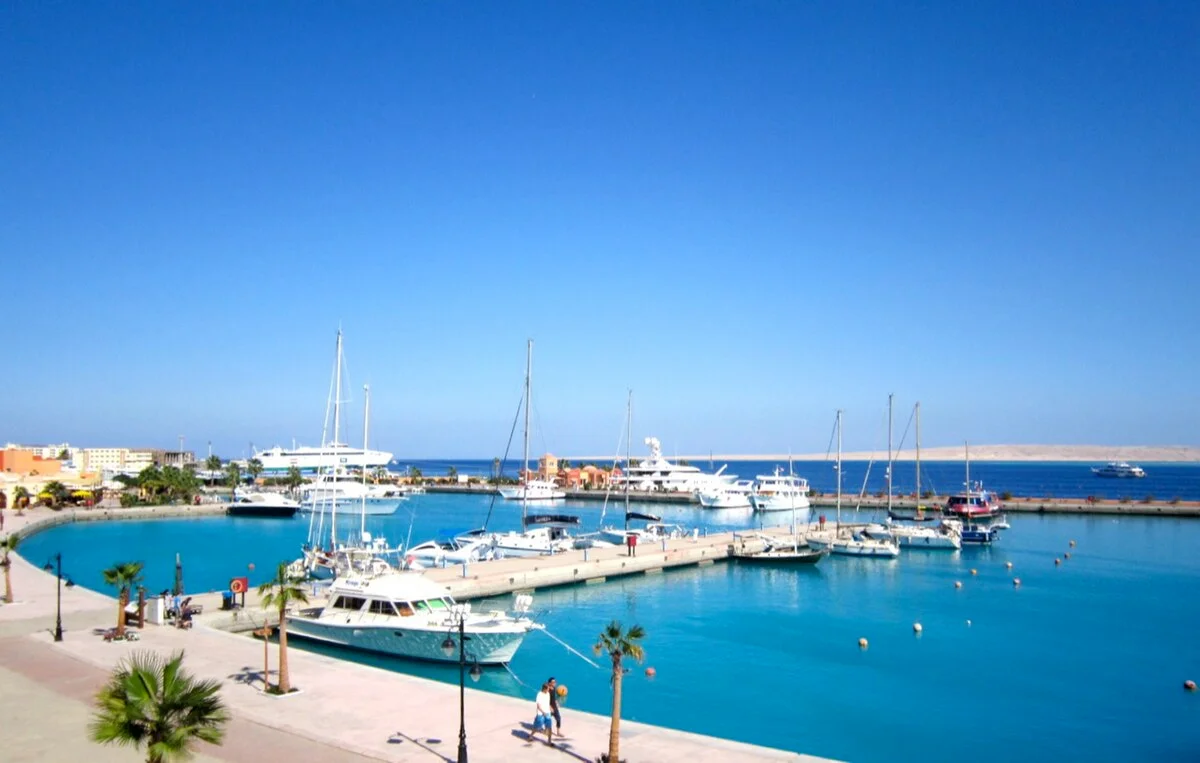
Most visitors enter the Red Sea circuit through Hurghada or Sharm El Sheikh, both with international airports and marinas lined with shared boats, small private speedboats, and larger yachts. From Hurghada International Airport (HRG) to the main marina, you should expect to pay 120–160 EGP (about $6–$12 USD) in a taxi if you either agree a price in advance or use a ride-hailing app like InDrive. Local buses in Hurghada run at 10–25 EGP but their routes and schedules are inconsistent and rarely connect neatly with marina timings, making them more of an option for hardened budget travelers than anyone with a fixed boat departure. For longer routes, inter-city buses like Go Bus and Blue Bus connect Cairo and other cities to the coast, with Cairo–Hurghada runs taking roughly 5 to 8.5 hours for as little as $8 USD. All of this funnels people into the same few marina gates, which is why crowd levels on many Red Sea snorkeling tours are high if you don’t choose carefully.
Part 2: The Options (Comparison)
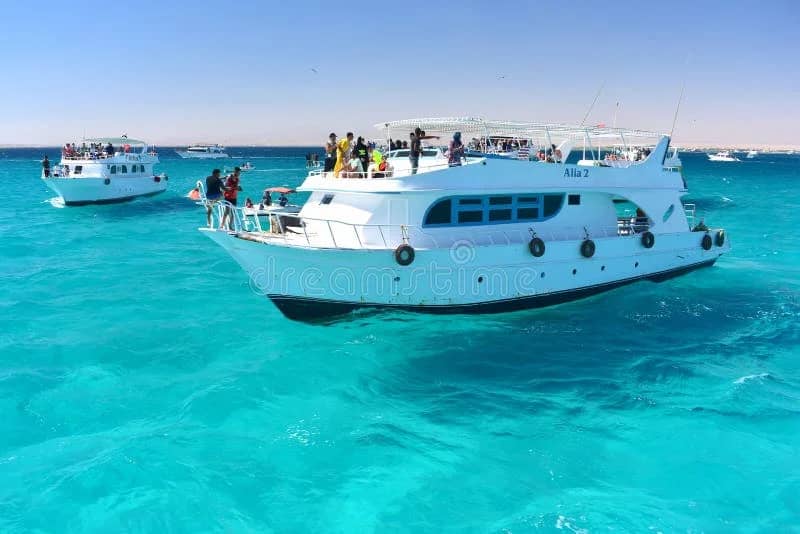
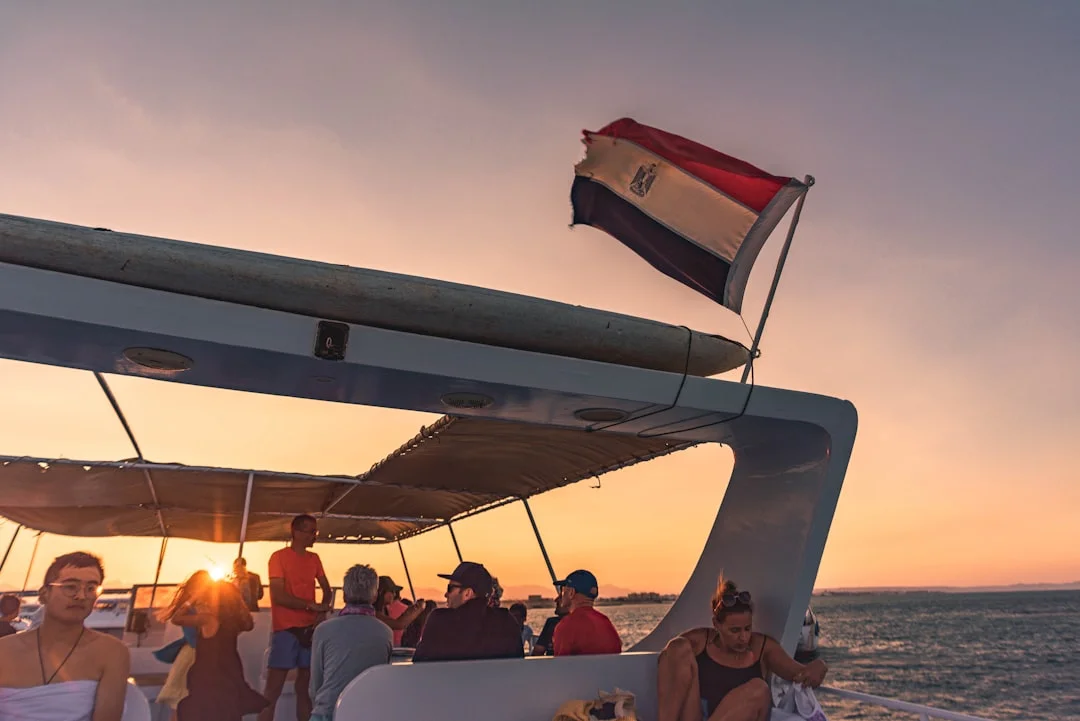
On a shared snorkeling day trip in the $25–$50 USD range, you’re usually picked up from your hotel, funneled onto a mid-sized boat, and packed in with families, couples, and solo travelers. The energy is high, the music is often loud, and you typically get two or three short stops over coral reefs plus a simple onboard lunch. You’ll feel the engine vibration through the deck, taste the salt spray as you ride out, and hear multiple languages swapping snorkel stories around plates of grilled chicken, rice, salads, and flatbread. The trade-off: the schedule is rigid, the reefs can be busy, and you move at the group’s pace, not yours.
Private speedboats and yachts, usually in the $150–$500+ USD per boat range, are the opposite. You set the departure time, choose your reefs or islands, and keep the guest list tight. The soundtrack is your own playlist or just the slap of water on the hull and the distant call of gulls. With a good skipper, you can hit quieter coral sections and avoid the crush of big groups. You often lose some mass-tour “extras” like packed buffets, but what you gain is control: longer at a reef you actually like, more time floating in calm water, and the ability to stop when the wind or waves don’t feel right.
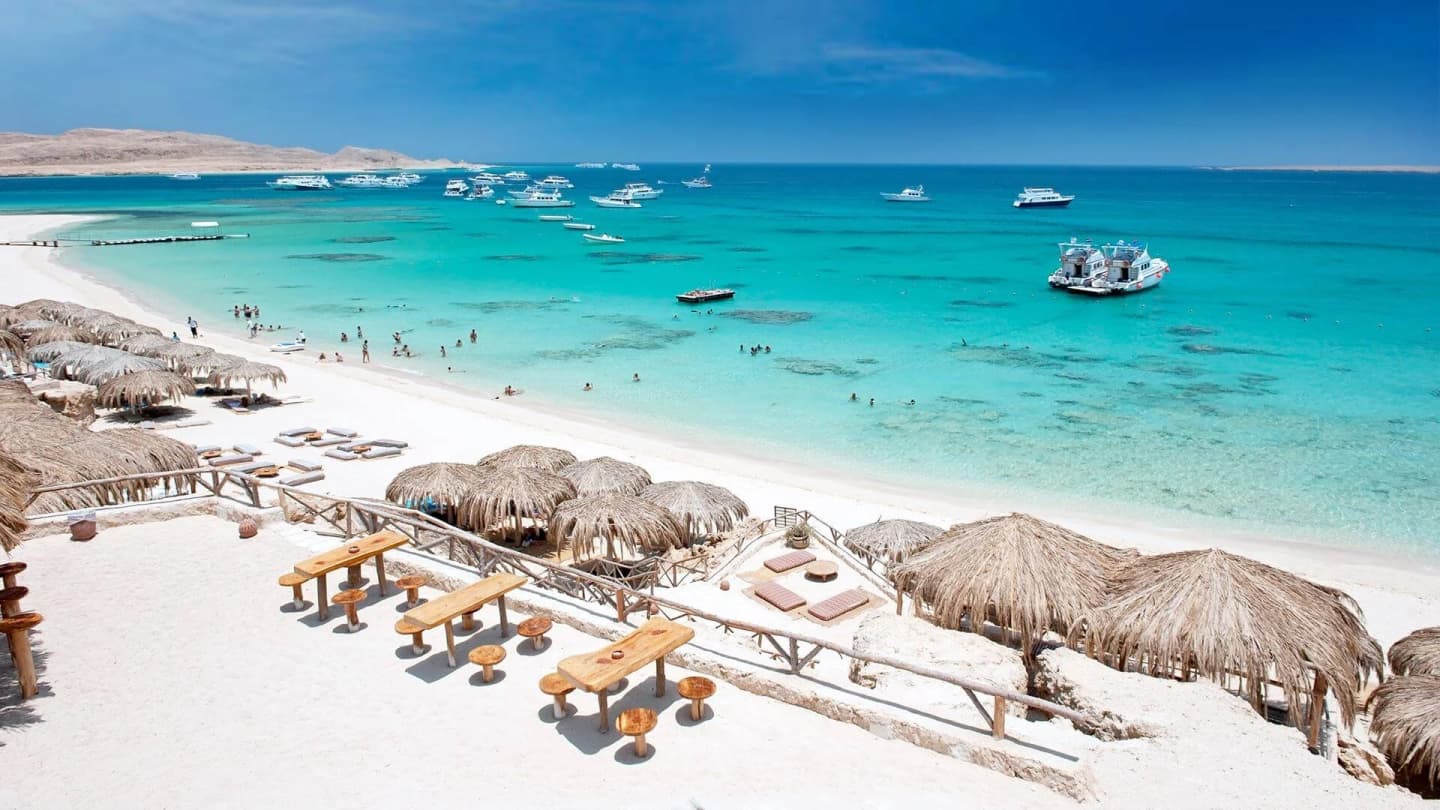
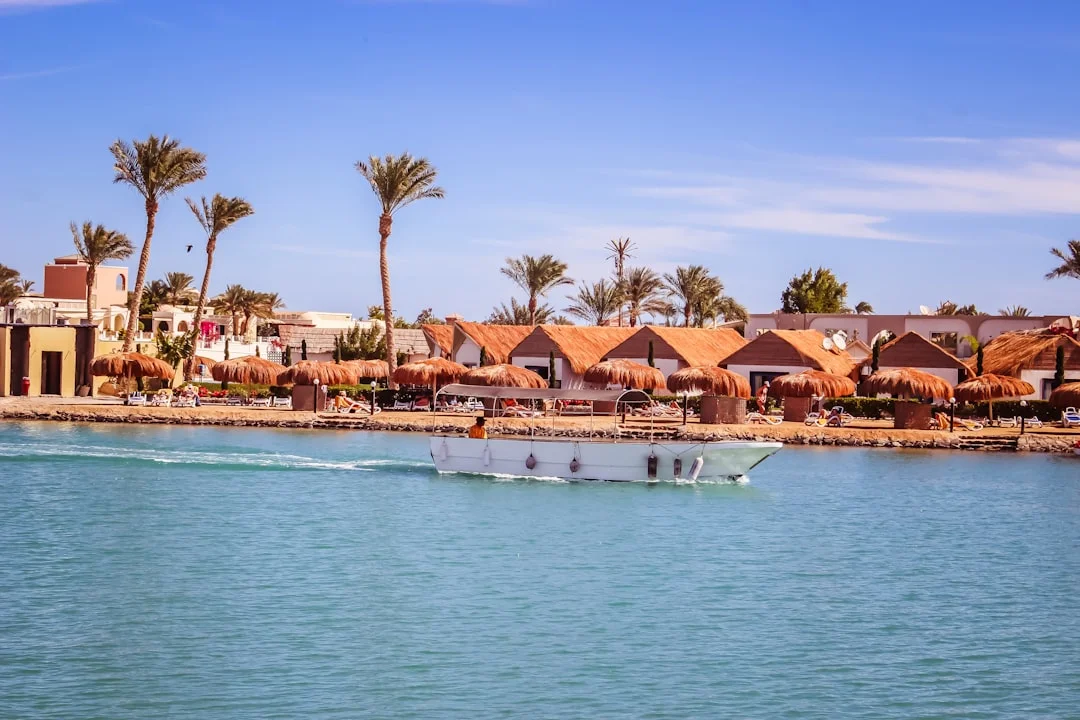
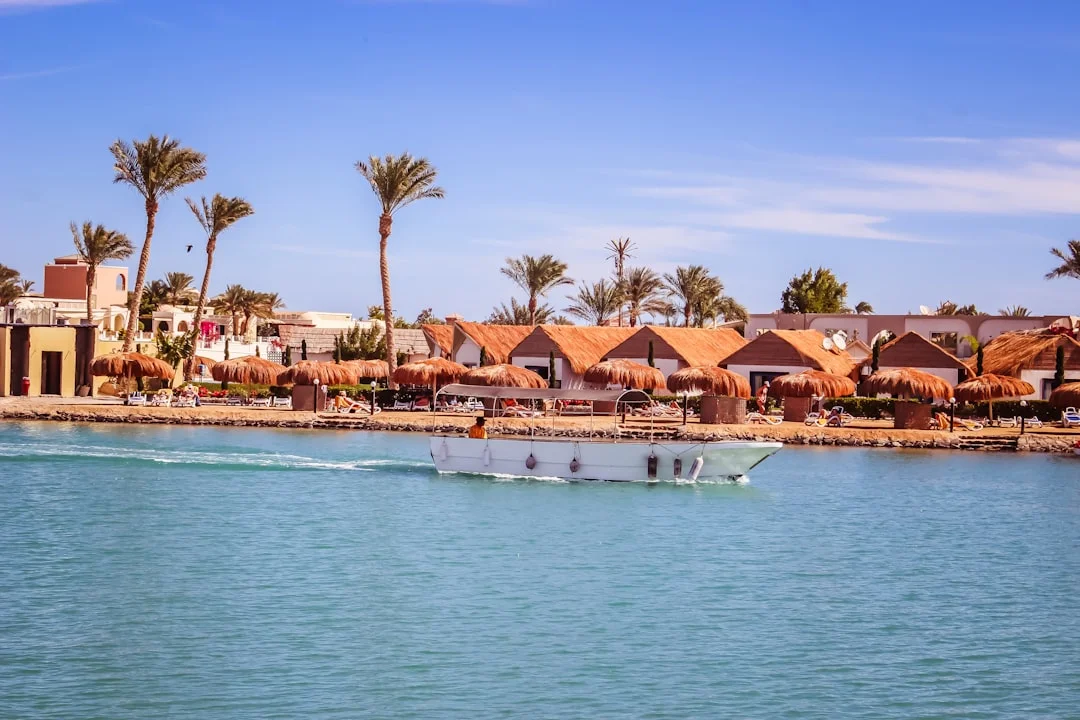
Island trips to places like Giftun or Orange Bay sit in the middle at around $30–$60 USD per person. They promise bright sandbars, beach setups, and a mix of snorkeling and sunbathing, usually with water sports on offer. The reality is a loud, busy atmosphere with many boats offloading at the same pontoons, lines for shaded spots, and a strong commercial push on photos, drinks, and activities. You still get clear water and decent reefs, but you sacrifice a quieter, more natural feel for the social “beach club” environment and constant upsells.
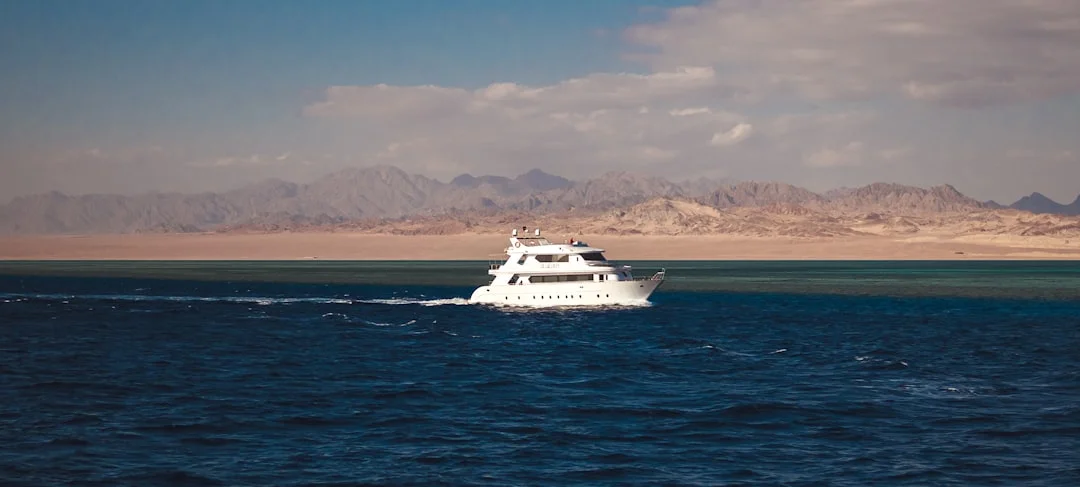
Liveaboard or multi-day cruises at $800–$2,500+ USD per person attract divers and serious snorkelers who want dawn-to-dusk water time. You sleep on the boat, eat all your meals onboard, and spend your days cycling through remote reef systems that are too far for day boats. The upside is raw access to high-quality dive and snorkel sites and a focused group who actually care about conditions, currents, and visibility. The downside: you’re locked into a fixed itinerary with little room for spontaneous changes, you need several days free, and if you’re just a casual snorkeler or traveling with small kids, the intensity and cost can overshoot what you realistically want from “a day on the water.”
Part 3: The Logistics (How to Do It Right)
To get your Red Sea day moving without chaos, you start with arrival logistics. From Hurghada International Airport (HRG) to the main marina, budget 120–160 EGP ($6–$12 USD) for a taxi, and don’t sit down or close the door until the fare is agreed or set in an app like InDrive. Local buses at 10–25 EGP are only a realistic option if you’re willing to gamble with timing and route, and they’re poor choices if you’re carrying dive bags or hitting a fixed departure slot. If you’re coming from another city, companies like Go Bus and Blue Bus run Cairo–Hurghada routes in roughly 5 to 8.5 hours for about $8 USD, which is cheap but long; factor in departure and arrival times so you’re not scrambling across town half-asleep before your boat leaves.
Beyond transport, timing your trip against water temperatures and wind speeds matters more than brochures admit. Water that looks perfect in photos can feel cold in January without a wetsuit, and strong winds can turn a relaxed cruise into a choppy, tiring ride. Below is a realistic breakdown of monthly averages so you can decide if you want quieter but cooler conditions, or hot, busy high season with warm water and more boat traffic.
| Month | Avg. Water Temp (°C) | Avg. Wind Speed (Knots) | What to Expect |
|---|---|---|---|
| Jan–Feb | 22–23°C | 13–23 | Cooler water and air temperatures; quietest time of year on the boats and islands. |
| Mar–Apr | 23–25°C | 15–25 | Comfortable air, warming water; solid all-round conditions for snorkeling and cruises. |
| May–Jun | 26–28°C | 20–25 | Warm water and typically strong visibility; start of high season across most Red Sea boat tours. |
| Jul–Aug | 29–30°C | 20–25 | Hot air, very warm water, ideal for long snorkeling sessions but with heavier crowds and more boats on the same sites. |
| Sep–Oct | 28–29°C | 15–25 | Still very warm in and out of the water, but with slightly fewer people than peak summer. |
| Nov–Dec | 24–26°C | 13–23 | Pleasant, sunny days and cooler evenings; a workable balance of conditions and crowd levels. |
Insider Tips & Scams to Avoid
Once you’re at the marina or onboard, the soft-pressure tactics start. Many operators will suddenly demand a “national park fee” or “environmental tax” in cash during the trip. Some areas do have real conservation fees, but they are normally paid at an official kiosk where you get a dated receipt, not collected in a hat on deck. If no receipt appears, assume it’s padding the operator’s margin. A similar move is the fake “camera permit,” where crew claim you must pay extra to use your camera or GoPro on a standard tour; there is no general permit requirement for taking normal photos on these boats, so treat any such charge as a straight scam.
Another pattern: a rock-bottom tour price followed by inflated extras. You agree to a cheap ticket, then pay through the nose for snorkel sets, fins, wetsuits, soft drinks, or even bottled water. Before you hand over any money, pin down in writing or in a clearly saved message what is included in the price: pickup, lunch, soft drinks, snorkeling equipment, wetsuits, and any island landing fees. If the operator dodges basic questions, walk away.
Subpar dive and snorkel shops are just as common. Some run with poorly maintained gear: leaking masks, tired fins, and old life jackets that have seen better days. Don’t be shy about asking to see the equipment before you commit, and check basic safety: functioning life jackets, first-aid kit, and a crew that can actually explain safety procedures rather than mumbling through them. Ignore the hard sell and look at the hardware.
Onshore and at the marina, the “free gift” ploy is everywhere: someone presses a bracelet or trinket into your hand or offers a “free” souvenir photo, then flips straight into pressure for tips or payment. The easiest defense is a direct “no, thank you” and keeping your hands free. Negotiation itself is expected for private boats and some tours, but there is a difference between smart bargaining and insulting lowballing. Have a realistic target price in mind based on the ranges above and be prepared to walk away if numbers don’t make sense.
Whenever possible, cut out intermediaries. Booking directly with the boat owner or a local operator typically reduces commissions, which means you either pay less for the same tour or get more included for the same money. This also puts you in direct contact if you need to adjust or clarify details later, instead of dealing with a chain of resellers passing messages along.
Safety & Ethics
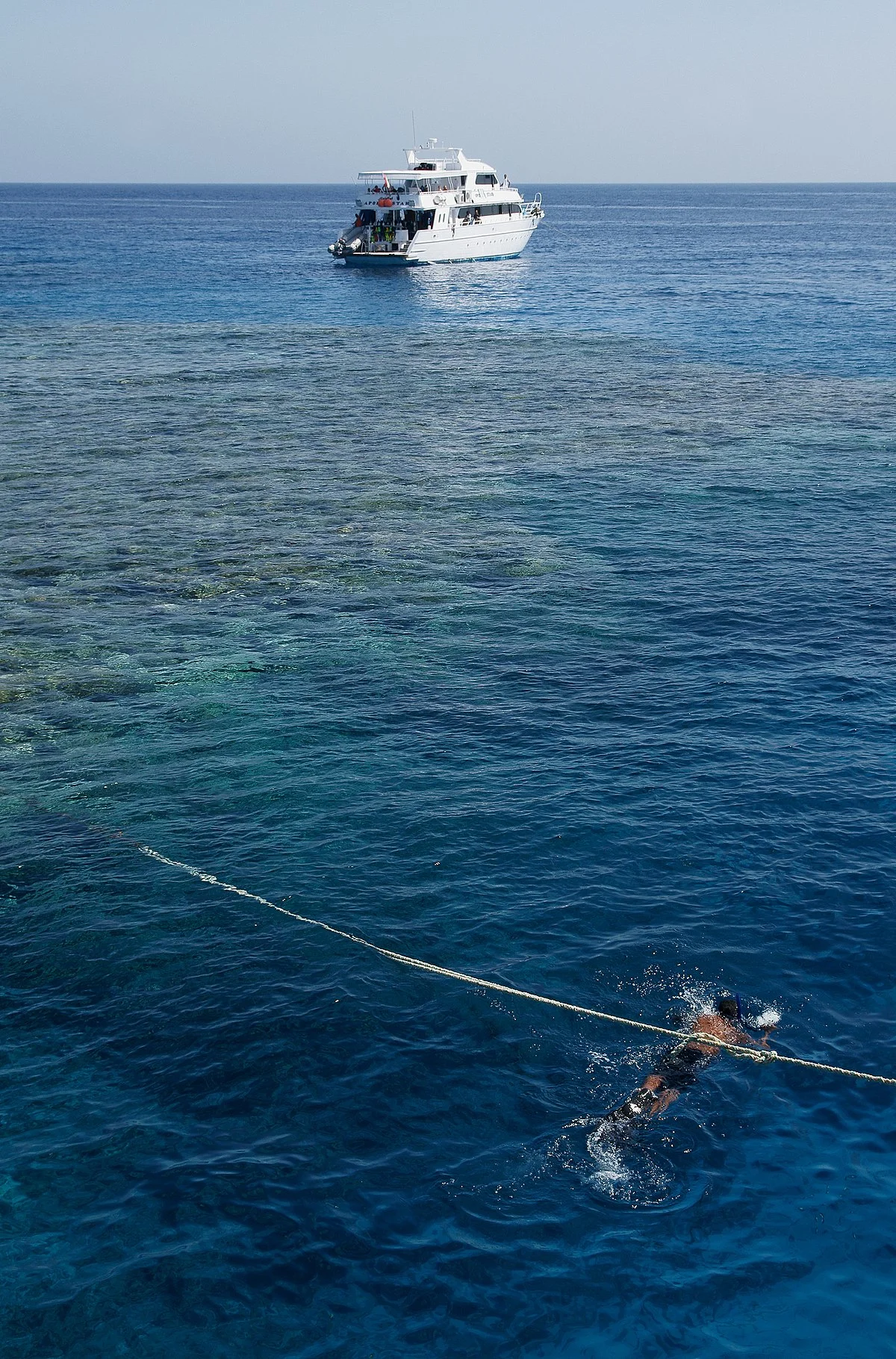
Protecting yourself and the reef starts with listening to the safety briefing and actually following it: where life jackets are kept, how to enter and exit the water, and what to do if currents pick up. The crew know the local wind and wave patterns far better than you do. In the water, the rule is simple: don’t touch anything. Coral is a living animal, and a casual fin kick can snap it or strip its protective layer. Stay neutrally buoyant, keep your fins up, and leave a buffer distance between you and the reef.
Sunscreen is another quiet problem. Many standard sunscreens contain chemicals that damage coral, especially in shallow, high-use areas. Switch to reef-safe options built on non-nano zinc oxide or titanium dioxide and apply well before entering the water so it has time to set on your skin rather than washing straight off into the sea. Don’t feed fish – it distorts their natural behavior, pulls them into tight, stressed clusters around tourists, and can ultimately change the balance of the reef system.
When choosing operators, look for basic ethical signals: they talk about reef protection, discourage touching or standing on coral, refuse to chase wildlife, and may organize or support local cleanup efforts. This matters especially on dolphin trips. Ethical dolphin tours do not chase pods, cut across their path, or encourage guests to grab or touch dolphins. They keep a sensible distance, match speed without harassing the animals, and let dolphins choose if they want to come closer. If a boat is racing full-speed at animals, you picked the wrong operator.
Booking & Logistics
The “pay cash on arrival” approach is still one of the strongest ways to secure good value on Red Sea snorkeling tours and Hurghada boat tours. Start by researching on review platforms like TripAdvisor and GetYourGuide to map out which companies consistently deliver on time, safety, and food quality. Once you’ve identified a short list, track down their direct contact info, often a WhatsApp number listed in the description or on their own site. Message them with blunt questions: total price, exactly what’s included, group size, departure and return times, and any extras like island fees or equipment rental.
When you negotiate, focus on the full package rather than shaving off a couple of dollars and losing lunch or gear. Confirm the agreed deal in a written message, then arrange to pay in cash on the day of the tour—Egyptian Pounds are best, but many operators will also accept USD or EUR. Paying in cash on arrival cuts the risk of sketchy online payment links and makes it easier to walk away if the boat, crew, or gear doesn’t match what you were promised. If you want an easy starting point without doing all the digging yourself, Routri curates and vets a range of the best Red Sea boat tours and Hurghada boat tours so you can compare options and still pay directly on the ground: browse Red Sea and Hurghada tours on Routri.
FAQs
Below are the most common questions travelers ask before committing to Red Sea snorkeling tours or Hurghada boat tours, with direct, practical answers.
What should I pack for a Red Sea boat tour?
Beyond a swimsuit and towel, bring a hat, sunglasses, and reef-safe sunscreen that won’t harm the coral. Pack a light jacket or long-sleeved shirt for wind or cooler winter days, especially from November to February when air temps and wind can make you feel colder than the 22–23°C water suggests. A reusable water bottle cuts plastic waste and gives you control over how much you actually drink, regardless of what the crew provides.
Do I need my own snorkeling gear?
Most operators include masks, snorkels, and fins in the price, but quality varies from almost-new gear to scratched masks and worn-out straps. If you already own well-fitting equipment, bring it; a mask that seals properly and fins that don’t chew into your feet will make more difference to your day than another tray of buffet food. At the very least, consider bringing your own mask and snorkel and using the boat’s fins as a backup.
Is it safe to travel to the Red Sea in Egypt?
Tourist zones along the Red Sea coast, including Hurghada and similar hubs, are generally considered very safe, with a heavy reliance on tourism driving security and oversight. Normal travel sense still applies: keep valuables out of sight, don’t leave bags unattended on decks or beaches, and use hotel safes for passports and large amounts of cash. On boats, follow crew instructions and basic safety checks rather than assuming everything is fine just because everyone else looks relaxed.
Can I see dolphins on my tour?
Dolphin sightings happen often in the Red Sea, especially on tours that specifically target known dolphin routes or areas, but nothing is guaranteed. Any company that “guarantees” dolphins is overselling. To improve your chances without supporting harassment, choose tours that advertise ethical dolphin watching: no chasing, feeding, or touching, with boats maintaining respectful distances and letting dolphins decide whether to approach.
What is the water visibility like?
The Red Sea is known for strong visibility, often over 30 meters (about 100 feet), which makes even basic snorkeling feel sharp and clear when conditions are calm. Visibility can still fluctuate with wind, currents, and plankton, but compared to many other destinations, you’re working from a pretty high baseline—one reason divers and liveaboard guests keep coming back.
Should I tip the boat crew?
Yes. Tipping is standard and often expected as part of the crew’s income. As a rule of thumb, 5–10% of the tour price for the boat is reasonable, given at the end of the trip to the captain or lead guide so it can be split among the crew. If someone went out of their way to help you—such as supporting a nervous swimmer in the water—it’s fine to add a little extra, but you’re not obligated to pay for every small interaction.
What if I'm not a strong swimmer?
You can still go. Most tours provide life jackets, and better operators will have guides in the water to keep an eye on weaker swimmers. Be honest with the crew before you get in; tell them you’re not confident and ask for a jacket and clear instructions about where to stay. You can float on the surface with a life jacket and mask, holding onto a buoy line or ring if needed, and still see a lot of reef without going out of your depth.
Are there vegetarian or vegan food options on the tours?
Most boats can handle vegetarian or vegan meals if they know about it in advance, but you should not assume the default buffet will work for you. When you book, state your requirements clearly—vegetarian, vegan, or specific allergies—and get written confirmation. If you’re strict or have complex needs, bring a few backup snacks so you’re not relying entirely on a generic onboard lunch.
In the end, choosing the best Red Sea boat tour is about being honest with yourself: how much noise you can tolerate, how much you’re willing to pay to escape crowds, and how serious you are about what happens under the surface versus what gets posted on your feed. With clear price bands, real taxi and bus costs, month-by-month water and wind data, and a blunt look at common scams, you have enough information to skip the worst offers and target tours that actually fit your style and budget.
Further reading on Routri:
- Hurghada dolphin watching & snorkeling boat tour with lunch
- Full-day Paradise Island snorkeling and beach tour from Hurghada
- Luxury Red Sea diving and snorkeling cruise from Hurghada
- Classic Red Sea snorkeling day trip by boat from Hurghada
- VIP swimming with dolphins and snorkeling sea trip with lunch
- Hurghada luxury yacht cruise with two islands and snorkeling
- Adults-only sunset cruise with snorkeling and dinner in Hurghada
- Semi-private fishing and snorkeling speedboat trip from Hurghada
- 2-hour semi-submarine and snorkeling tour in Hurghada
- Red Sea extreme thrills and adventure tours